The FRB in action
Biodiversity and climate
Project ongoing since 2024
Bribat
Definition of an operational framework for the effective implementation of multi-factor curtailment algorithms for wind turbines in favour of bats
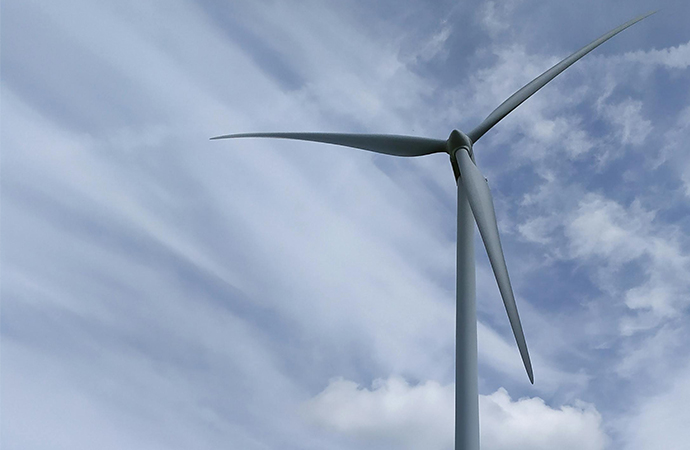
The Bribat project aims to translate multi-factor predictive algorithms for collision risk between wind turbines and bats into operational curtailment tools. These algorithms are trained on acoustic monitoring data collected from wind turbine nacelles, sourced from regulatory monitoring studies.
Optimising curtailment is today a major challenge given the sensitivity of these long-lived and threatened species to collisions, and the current inadequacy of conventional curtailment practices.
The project’s specific objectives will be, on the one hand, to optimise the effectiveness of the algorithms — the balance between collision risk reduction and the resulting loss of energy production — and, on the other hand, to test these algorithms against future usage scenarios in order to define implementation rules for optimal effectiveness and feasibility (decision rules, site-specific calibration or not, types of meteorological data, etc.).
Researchers
Kévin BARRE – MNHN (France)
The Bribat project brings together specialists in chiroptera, ecoacoustics, and sophisticated predictive methods such as artificial intelligence.
The Project
The Bribat project stems from the Impact of Wind Energy call for projects. In partnership with Mirova Foundation, this call aims to better assess the impact of renewable energies on biodiversity and to produce operational recommendations for improved practices targeted at stakeholders in the sector.
The project selection process was carried out by a committee of independent experts.
partners and funders