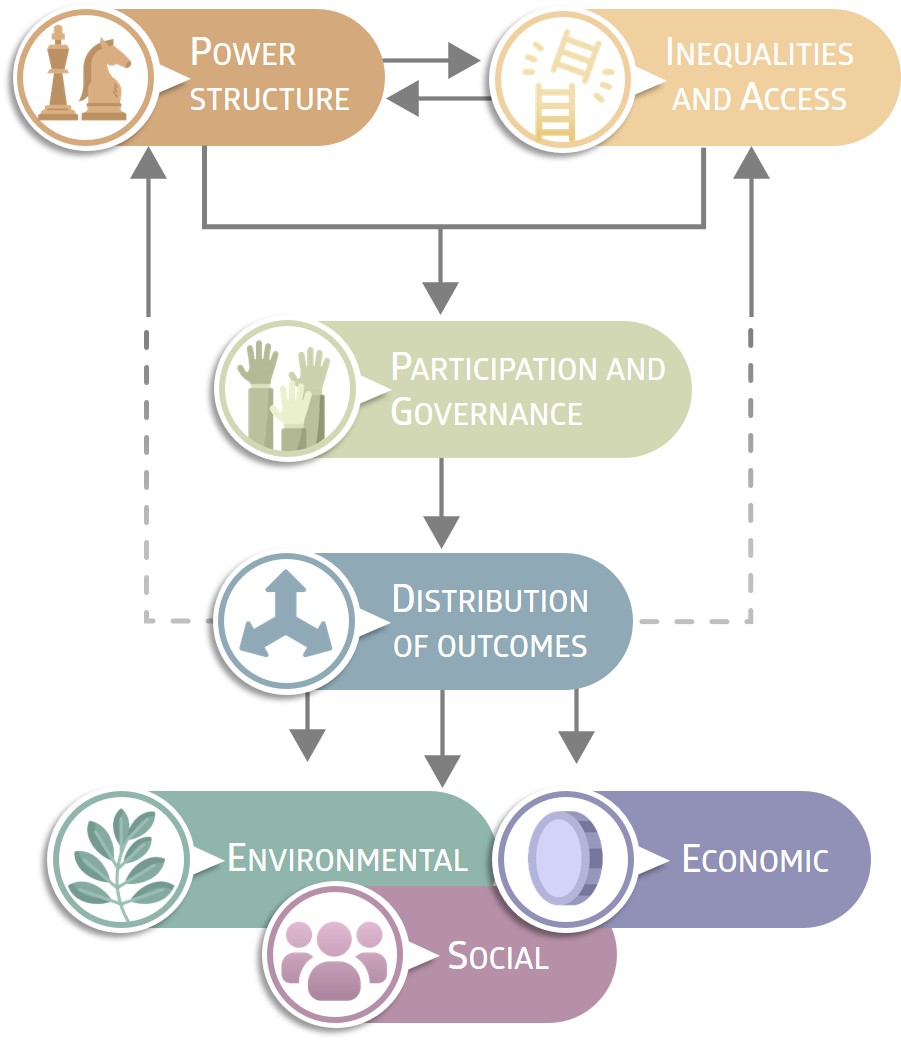
Traditional conservation approaches have typically focused solely on ecological aspects. However, a growing body of research shows that the success of conservation policies depends as much on governance, power dynamics, and underlying principles of justice as on the biological mechanisms they aim to protect. Despite this, the interactions between these dimensions remain poorly understood and are often studied in isolation.
Drawing on the findings of four FRB-CESAB research projects, this conference explores the emerging concept of Blue and Green Justice in biodiversity conservation. Each project used distinct methodological and disciplinary approaches, yet all shared a common goal: to examine how stakeholder engagement in conservation processes can strengthen the protection and resilience of terrestrial and marine ecosystems.

Learn more about the projects
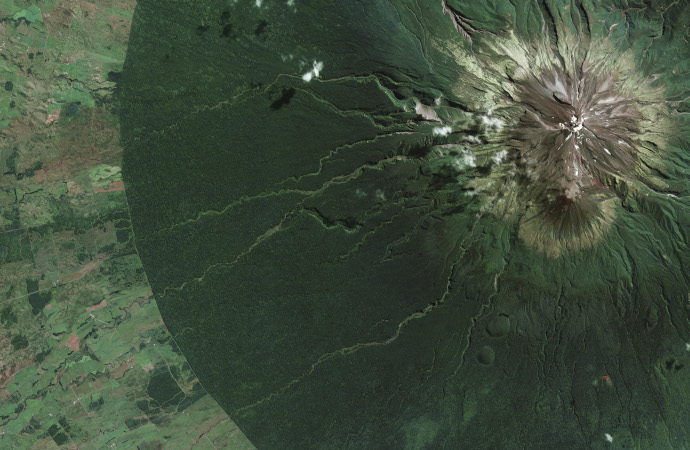
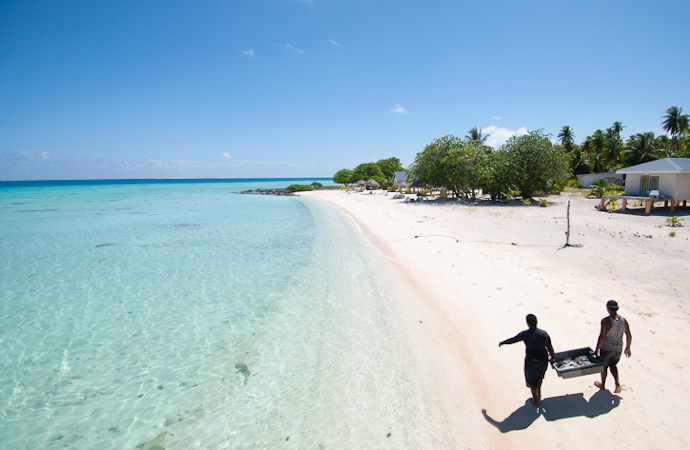
The program will begin with the PARSEC project, which combined satellite imagery, socio-economic data, and artificial intelligence to quantify the global impacts of protected areas, particularly on poverty. In parallel, PARSEC collaborated with the MPA-Poverty project — funded by the ANR and led by CEE-M — which resulted in a case study focused on fisheries in Tanzania.
The discussion will continue with the BLUE JUSTICE project, which explored the global connections between equity, marine policies, and the resilience of coastal communities, especially under the combined pressures of climate change, conservation, and development.
Complementing this, the JUSTCONSERVATION project synthesizes 50 years of empirical literature (662 case studies), providing robust statistical evidence that governance led by Indigenous peoples and local communities significantly improves ecological and social outcomes.
Finally, the POWERBIODIV project examines a dimension long theorized but rarely operationalized: power. Using a multidimensional framework combining systematic reviews, network analyses, and modeling, the project investigates how visible, hidden, and systemic forms of power influence participatory processes and their outcomes.
You have missed the conference?
The talks have been compiled in this article!
While Africa has been home to exceptional biodiversity so far, the proven decline of its large, iconic mammals represents a significant ecological and economic threat to most countries of the continent. When in 2010, the world’s governments committed to increasing the coverage of protected areas to 17% of the world’s land surface, several Central African countries had already established the protection of 25% of their savannas for conservation purposes.
To assess the effectiveness of these tools, researchers from the AFROBIODRIVERS project :
This document summarizes in a few pages the group’s context and objectives, the methods and approaches used, the main findings, as well as the impact for science, society, and both public and private decision-making.
Over the past three decades, biodiversity conservation has expanded, from a focus on nature preservation alone, to more ‘people-friendly’ approaches integrating objectives for both conservation and human well-being, as visible in the governance of protected areas and other conservation measures worldwide. However, integrated approaches have not necessarily led to benefits to local people, giving rise to a further shift from a focus on economic development, to one on social justice. This FRB-CESAB research project called JUSTCONSERVATION analyzed how justice concerns find support and integration in biodiversity conservation; a research need which is currently under-addressed. It asks:
This document summarizes in a few pages the group’s context and objectives, the methods and approaches used, the main findings, as well as the impact for science, society, and both public and private decision-making.
The overall objective of the project FRB-CESAB RAATD project was to assess habitat use by several predator species at the top of Southern Ocean food chains from existing spatial monitoring data sets of these animals. This approach identify ecologically important areas for predators, i.e. ocean regions that serve as preferred sites for food exploration for several predator species simultaneously, and therefore that have high biodiversity.
This document summarizes in a few pages the group’s context and objectives, the methods and approaches used, the main findings, as well as the impact for science, society, and both public and private decision-making.
The working group Pelagic from the Centre for the Synthesis and Analysis of Biodiversity (CESAB) will hold a symposium in Montpellier on Friday the 29th of November 2019. During this symposium a group of international researchers will present the new challenges associated with monitoring both wildlife and human activities in protected areas using up to date technologies.
Speakers:
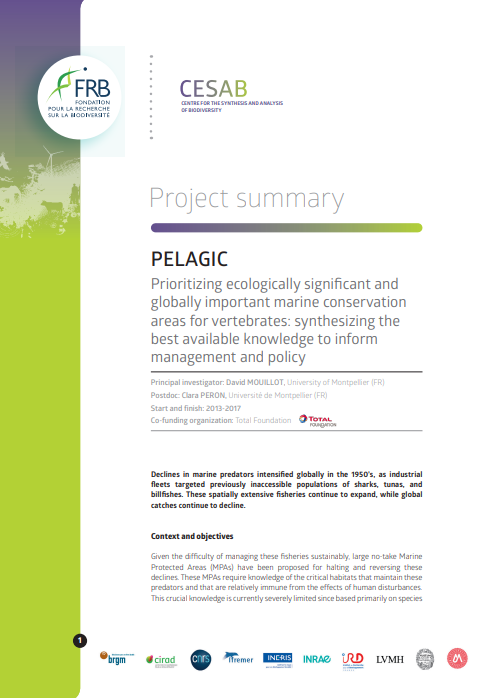
Declines in marine predators intensified globally in the 1950’s, as industrial fleets targeted previously inaccessible populations of sharks, tunas, and billfishes. These spatially extensive fisheries continue to expand, while global catches continue to decline. Given the difficulty of managing these fisheries sustainably, large no-take Marine Protected Areas (MPAs) have been proposed for halting and reversing these declines. These MPAs require knowledge of the critical habitats that maintain these predators and that are relatively immune from the effects of human disturbances. This crucial knowledge is currently severely limited since based primarily on species geographic distributions obtained through fishery catches that remain biased with untargeted species, unfished areas and deliberate underreporting.
Here, the FRB-CESAB PELAGIC project overcame this limitation by collecting the most up-to-date and complete information on the biogeography and habitat use of marine mammals, sharks and fishes.
This document summarizes in a few pages the group’s context and objectives, the methods and approaches used, the main findings, as well as the impact for science, society, and both public and private decision-making.
To ensure the quality of our scientific content, we are currently finalizing the translation of this page.
It will be available for consultation very soon.
![[FRB-CESAB] Blue and Green Justice](https://www.fondationbiodiversite.fr/wp-content/uploads/2025/10/FRB-Cesab-Apercu-Conference-Justice.jpg)


![[FRB-CESAB] Challenges and opportunities in large-scale conservation](https://www.fondationbiodiversite.fr/wp-content/uploads/2019/11/Cesab-Pelagic_Affiche-ENG.jpg)